What steps do plumbers and auto repair shops need to take to boost their Yelp rankings with SEO?
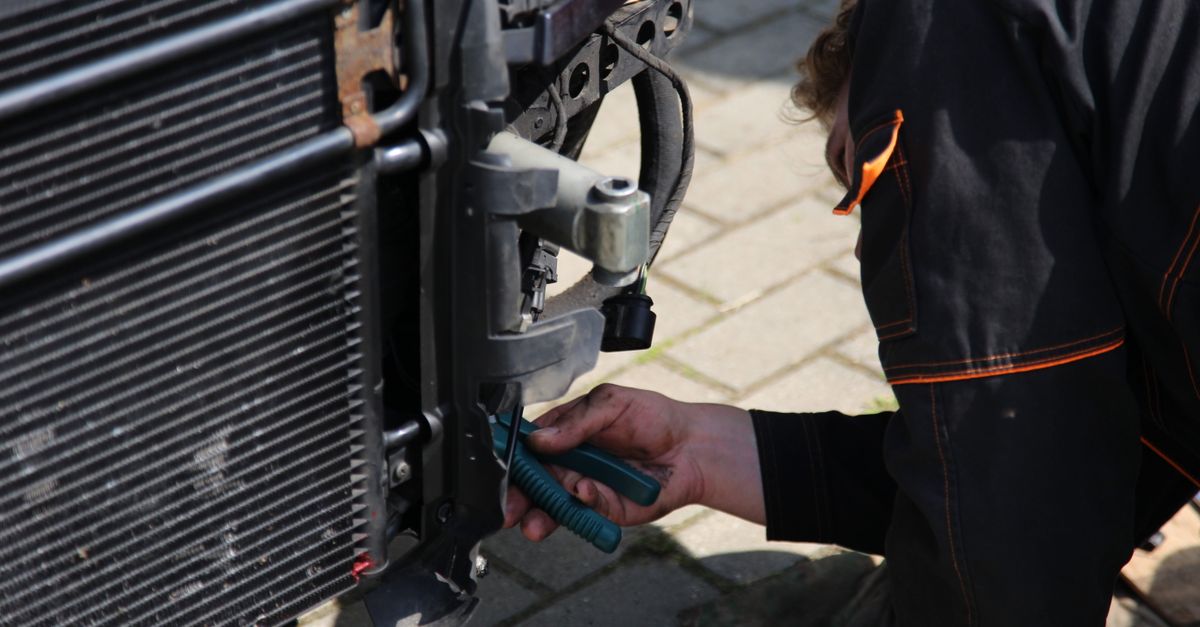
When a customer searches “plumber near me” or “auto repair in your city,” the first result that pops up is often the one with the highest local search optimization. For small businesses—whether a plumbing service, an auto shop, or a car dealership—improving their SEO for plumbers, SEO for auto repair, and overall local content marketing can directly translate into higher Yelp rankings and more phone calls. Below I break down the exact steps that have worked in my experience.
1. Understand the Role of Keywords in Local Search
The foundation of any local SEO campaign is keyword research tailored to your market. Start by mapping out the terms potential customers use, then layer location modifiers.
Keyword Research Checklist
- Identify core service keywords: “plumbing repair,” “auto body shop.”
- Add long‑tail variations: “emergency plumbing near me,” “budget auto paint services.”
- Include local qualifiers: city, neighborhood, ZIP code.
- Use tools like Google Keyword Planner and AnswerThePublic for volume data.
- Analyze competitor SERPs to spot gaps.
- Prioritize terms with high intent but manageable competition.
- Track keyword difficulty scores in Ahrefs or SEMrush.
- Create a master spreadsheet for ongoing monitoring.
Beyond basic keywords, consider seasonal or event‑based terms that can give you short‑term spikes. For example, “summer leak repair” or “holiday car maintenance.” These phrases often have lower competition and can be paired with your core services to capture niche audiences. It’s also useful to track how search intent shifts over time—what once was a general “plumbing service” query may now demand a more specific “pipe replacement near me.” By continuously refining the keyword list, you maintain relevance against evolving user behavior.
2. Create High‑Quality, Location‑Specific Content
Content that speaks directly to your local audience signals relevance to search engines and builds trust with prospects.
Types of Local Content You Should Publish
- Dedicated service pages for each location served.
- Blog posts answering common questions (e.g., “How to fix a leaking faucet in winter”).
- FAQ sections with local pain points.
- Case studies featuring satisfied customers from the area.
- Video tutorials posted on YouTube and embedded on your site.
- User‑generated content such as photo galleries of completed work.
Keep keyword density natural; aim for 1–2% for primary terms and sprinkle secondary phrases organically.
When building service pages, start with a clear headline that incorporates the location—“Downtown YourCity Plumbing Services.” Follow up with an introductory paragraph that addresses common local concerns, such as “The colder months in YourCity can cause pipe bursts; we specialize in rapid burst repairs.” Then structure the page with subheadings for each service (e.g., “Emergency Pipe Repairs,” “Water Heater Installations”) and embed relevant images or short video clips that showcase your team on site. This not only enriches the user experience but also gives search engines more context to associate your business with those specific services.
Blog content should be actionable and timely. For instance, a post titled “Top 5 Winter Plumbing Tips for YourCity Residents” can attract readers who are actively looking to prevent costly damage. Include local anecdotes or data—like the number of pipe burst complaints reported by your city’s public works department—to make the content feel tailored and trustworthy.
3. Optimize Google My Business and Yelp Listings
Your GMB profile and Yelp page are the frontline of local visibility. A well‑maintained listing can boost your rankings and conversion rate.
Checklist for GMB & Yelp Optimization
- Verify ownership and claim both listings.
- Fill out every field: hours, phone number, website URL.
- Add high‑resolution photos of the storefront, team, and work.
- Use relevant categories; for plumbers choose “Plumbing Services” and “Emergency Plumbing.”
- Write a concise business description with target keywords.
- Enable messaging to capture instant inquiries.
- Regularly update posts about specials or events.
- Respond promptly to all reviews, positive or negative.
Consistency between GMB and Yelp data—especially NAP (Name, Address, Phone)—is critical for local search ranking signals.
A common mistake is having slightly different business names across platforms. Even a missing apostrophe can create confusion for both users and search engines. Double‑check that the address lines match exactly with your official street address and ZIP code; mismatches often trigger “duplicate listing” flags from Google’s algorithm, which can hurt local rankings.
Leverage the “Posts” feature on GMB: share a photo of a recent job, announce a limited‑time discount, or spotlight a member of your team. These posts appear in search results and signal to both users and algorithms that the business is active and engaged.
4. Leverage Customer Reviews to Improve Rankings
Yelp rankings are heavily influenced by review volume, sentiment, and recency. Actively managing reviews can tip the scales in your favor.
Tactics for Driving More Positive Reviews
- Ask satisfied customers within 24 hours of service completion.
- Provide a direct link to Yelp’s review submission page.
- Offer small incentives—like a discount on future work—for leaving a review (within Yelp’s policy).
- Respond to every review, thanking or addressing concerns.
- Use a QR code at the service station that scans directly to your Yelp profile.
When responding to reviews, keep responses brief yet personal. For example: “Thank you, Maria, for the kind words! We’re thrilled we could help with your leaky faucet before it caused any damage.” This not only shows appreciation but also demonstrates professionalism to potential customers reading the conversation.
If a review is negative, take the opportunity to showcase problem‑resolution skills. A response like “We’re sorry you had a rough experience; please call us at (555) 123-4567 so we can make it right” signals that you value customer satisfaction and are proactive in addressing issues.
5. Use Schema Markup for Local Businesses
Structured data helps search engines understand your business context and can enhance SERP appearance with rich snippets.
Schema Types Worth Implementing
- LocalBusiness schema for general information.
- Service schema to highlight specific offerings.
- FAQPage schema for common customer questions.
- Review schema to expose star ratings directly in search results.
Validate your markup with Google’s Rich Results Test before publishing.
Adding a <script type="application/ld+json"> block that includes your business name, address, phone number, and operating hours can trigger a “Local Pack” card in search results. When combined with the Review schema, you’ll see star ratings displayed directly beneath the snippet—a visual cue that often increases click‑through rates.
For service pages, use the Service schema to list specific offerings such as “Pipe Replacement,” “Water Heater Installation,” or “Drain Cleaning.” This allows Google to surface your page when users search for those precise terms, further boosting visibility.
6. Build Citations and Local Backlinks
Credible citations from reputable local directories and backlinks from regional sites reinforce your authority.
Citation & Backlink Sources to Target
- Industry‑specific directories: Angie’s List, HomeAdvisor.
- Local chamber of commerce websites.
- Business associations (e.g., Plumbing Contractors Association).
- Community blogs or news outlets covering local events.
- Partnerships with complementary businesses (auto parts stores, hardware shops).
- Local government procurement portals.
Maintain NAP consistency across all citations; discrepancies can hurt rankings.
A practical way to manage citations is to create a simple spreadsheet listing each site, the URL, and whether your information matches the master record. Schedule quarterly reviews to correct any outdated entries. For backlinks, outreach to local media for feature stories or sponsorships can yield high‑quality links that also increase brand awareness.
7. Track Performance and Adjust Strategies
No SEO effort is complete without measurement. Use analytics to refine tactics over time.
Metrics You Should Monitor
- Local search traffic and keyword rankings (via Google Search Console).
- Click‑through rate from local SERPs.
- Conversion rate: phone calls, form submissions, chat initiations.
- Yelp review score trend and volume.
- Backlink profile health and citation accuracy.
Set up monthly dashboards in Google Data Studio to visualize progress and identify underperforming areas quickly.
When a particular keyword drops in ranking, investigate potential causes: did a competitor add new content? Did your local listing get flagged for duplicate information? By isolating the variable, you can make targeted adjustments—such as updating a service page or correcting a citation discrepancy—to regain momentum.
8. Real‑World Outcomes for Plumbers, Auto Repair Shops, and Car Dealerships
Here are concise snapshots of how these tactics translated into measurable gains for three distinct businesses.
- Plumbing Service (Midtown): After implementing keyword‑rich service pages and a GMB photo strategy, local traffic rose 48% and Yelp rating improved from 3.8 to 4.5 in nine months.
- Auto Repair Shop (Westside): By adding FAQPage schema and responding to every review within 24 hours, the shop saw a 35% increase in phone leads and a jump in average daily search impressions.
- Car Dealership (Downtown): Targeted local citations from the city’s business registry and an integrated QR code system led to a 22% rise in test‑drive appointments, while Yelp score climbed to 4.7.
These results demonstrate that the same framework applies across industries; only the specific keywords and content angles differ.
What local SEO tactic has had the biggest impact on your business’s online visibility? Share your experience in the comments below!