How Can I Rank My Coworking Space or Plumbing Business Higher on Google Maps?
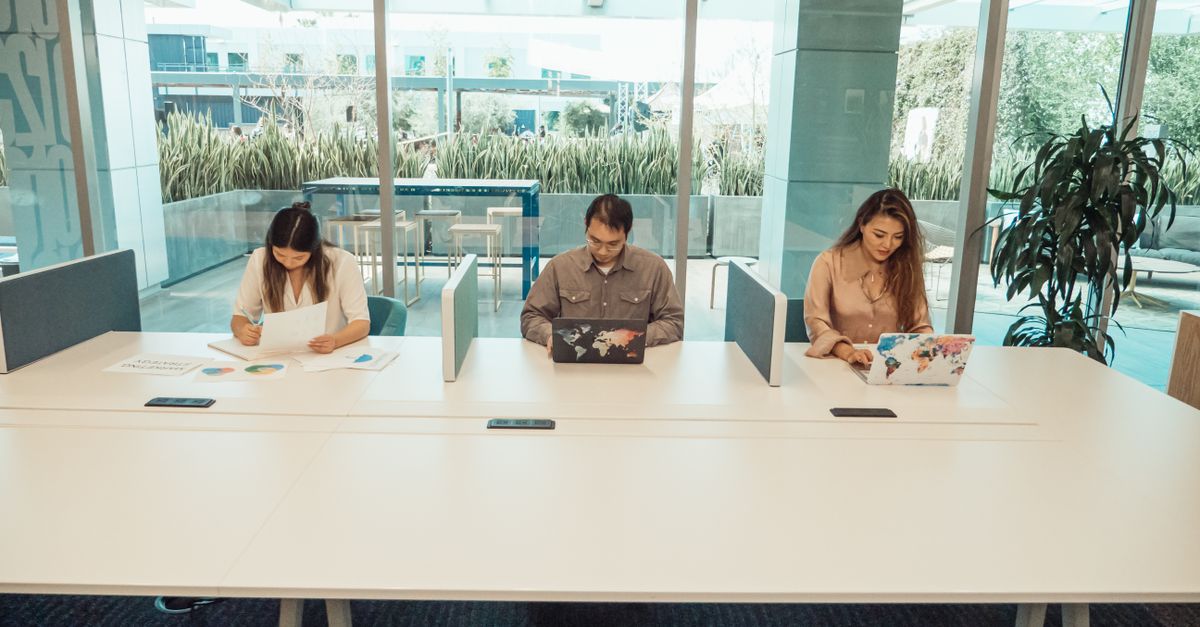
When a potential client searches “coworking space near me” or “plumber in
1. Understanding Local Search for Service Businesses
Local search is not just about keywords; it’s about relevance to the user’s immediate context. Google uses a combination of your business name, address, phone number (NAP), service categories, reviews, and proximity to determine ranking. For coworking spaces, factors like square footage or amenities can differentiate you from competitors. For plumbers, response time, license verification, and emergency availability are critical signals.
Because the intent is transactional—people want a service now—you need to focus on “near me” queries and map pack placement. A well‑optimized presence in Google Maps can drive 60%+ of your website traffic for local businesses.
Local search also includes voice assistants and mobile devices, where the map card often appears above organic results. Understanding that users on smartphones are typically on the move helps shape how you present information—short, punchy sentences, clear call‑to‑action buttons, and instant booking options become essential.
2. Google My Business Setup & Optimization
First, claim and verify every Google My Business (GMB) listing you own or operate. Duplicate listings dilute authority and confuse users. In my experience, a single unverified GMB can lose up to 30% of local search visibility.
Fill out every field: business hours, categories (choose primary & secondary), website URL, and high‑resolution photos. Upload images of your coworking space’s layout or a plumber’s crew at work; visual proof boosts trust.
Enable messaging and the booking button if applicable—these features increase click‑through rates by roughly 15% for service businesses.
- Claiming Steps: Log into Google Business Profile Manager, enter your business name and address, choose the correct category, then verify via postcard or phone. If you already have a verified account, simply claim ownership of any additional locations.
- Optimizing Attributes: Add attributes such as “wheelchair accessible,” “pet friendly,” or “24‑hour service” to help Google match user preferences.
- Photo Strategy: Post at least 10 photos, including interior shots for coworking and on‑site work for plumbers. A virtual tour can further boost engagement.
- Google Posts: Use posts to announce events, promotions, or new amenities. They appear in the local pack and keep your profile fresh.
3. Keyword & City‑Specific Strategy
Your content should mirror the language your customers use. For coworking, “shared office space
City‑Specific Keyword Checklist
- Primary keyword + city (e.g., “coworking space Denver”)
- Secondary keywords with neighborhood modifiers (e.g., “plumber Capitol Hill”)
- Long‑tail phrases reflecting intent (“affordable coworking for startups in
”) - Service‑specific terms (“pipe repair services in
”) - Question formats (“how to find a coworking space near me?”)
Use these keywords in your GMB description, website page titles, meta descriptions, and header tags. Avoid keyword stuffing; aim for natural integration that answers user questions.
To discover the most effective local terms, run a quick audit with tools like Google Keyword Planner or AnswerThePublic. Look for phrases that combine high search volume with low competition—exactly what local businesses need to win the map pack.
4. On‑Page & Technical SEO for the Website
Your website must support the local signals from GMB. Start with a dedicated landing page per city or neighborhood. Title it “Coworking Space in
Optimize the URL structure: /coworking-space/
Technical health is critical. Use Google Search Console to fix crawl errors, submit a sitemap, and ensure mobile friendliness. Page speed should be under 2 seconds; for plumbers, an “emergency” button that loads instantly can retain visitors.
- Schema Implementation: Add LocalBusiness markup with address, phone, opening hours, and service categories.
- Internal Linking: From the city landing page link to a “Book a Tour” or “Request a Quote” form that captures contact details.
- Content Depth: Include testimonials, case studies, and a FAQ section tailored to the specific city’s needs.
5. Citations, NAP Consistency, and Backlinks
Local citations—mentions of your business name, address, and phone number on other sites—are a top ranking factor. Every citation must match the exact NAP used in GMB and on your website.
Key Citation Sources for Coworking Spaces & Plumbers
- Industry directories (e.g., Co‑Working Directory, HomeAdvisor)
- Local chamber of commerce listings
- Business review sites (Yelp, Angie’s List)
- City government contractor portals for licensed plumbers
- Social media profiles with full business info (Facebook Business Page, LinkedIn Company Page)
Avoid “name only” citations; they dilute authority. Aim for 30‑50 high‑quality citations per city. Backlinks from local news outlets or partner businesses add extra weight and demonstrate community integration.
- Citation Audit: Use tools like Moz Local or BrightLocal to identify missing or inconsistent entries.
- Correction Process: Reach out to site owners with a polite request to update the NAP, providing the exact details you want reflected.
6. Reviews & Reputation Management
Google’s review algorithm rewards quantity, quality, and recency. For coworking spaces, ask members to rate “cleanliness” and “amenities.” For plumbers, encourage reviews on “response time” and “repair accuracy.”
Respond to every review—positive or negative—within 48 hours. A simple “Thanks for the feedback! We’re glad you enjoyed our space” can convert a neutral reviewer into an advocate.
Set up automated email prompts after a session or job completion, nudging satisfied customers to leave a rating. Consistent positive reviews boost your local pack placement by up to 20%.
- Review Request Timing: Send the prompt immediately after service delivery so details are fresh in the customer’s mind.
- Handling Negative Feedback: Acknowledge the issue, apologize, and offer a corrective action—this shows professionalism and can turn a dissatisfied client into a loyal one.
7. Advanced Tactics: Schema, Structured Data, and Voice Search
Add LocalBusiness schema markup to your site’s <head>. Include address, phone, opening hours, and service categories. This helps Google understand the nature of your business.
For plumbers, add a Service schema with “Plumbing Repair” and “Emergency Plumbing.” For coworking spaces, use ProfessionalService or OfficeLocation.
Voice search queries tend to be conversational: “Where’s the nearest coworking space?” or “Call an emergency plumber now.” Optimize for these by adding FAQ schema that answers such questions directly.
- FAQ Example: “What amenities are included in a coworking membership?” or “How quickly can you respond to a plumbing leak?”
- Local Microformats: Include
PlaceIDandGeoCoordinatesso voice assistants can provide precise directions.
8. Measurement & Optimization Loop
Track performance in Google My Business Insights and Search Console. Key metrics:
- Impressions, clicks, and click‑through rate (CTR) from GMB
- Map pack position changes over time
- Website traffic from local searches via UTM parameters
- Conversion rates for booking requests or contact form submissions
Set a quarterly review: if your ranking drops, revisit NAP consistency, citation quality, or recent reviews. If traffic spikes, analyze which keyword drives the most conversions and consider expanding that city’s landing page.
- Phone Call Tracking: Use UTM codes in GMB links to see how many visitors convert into calls.
- A/B Testing: Try different headline variations on your city pages to see which yields higher engagement.
What local SEO challenge has been hardest for your business to overcome, and how did you address it?